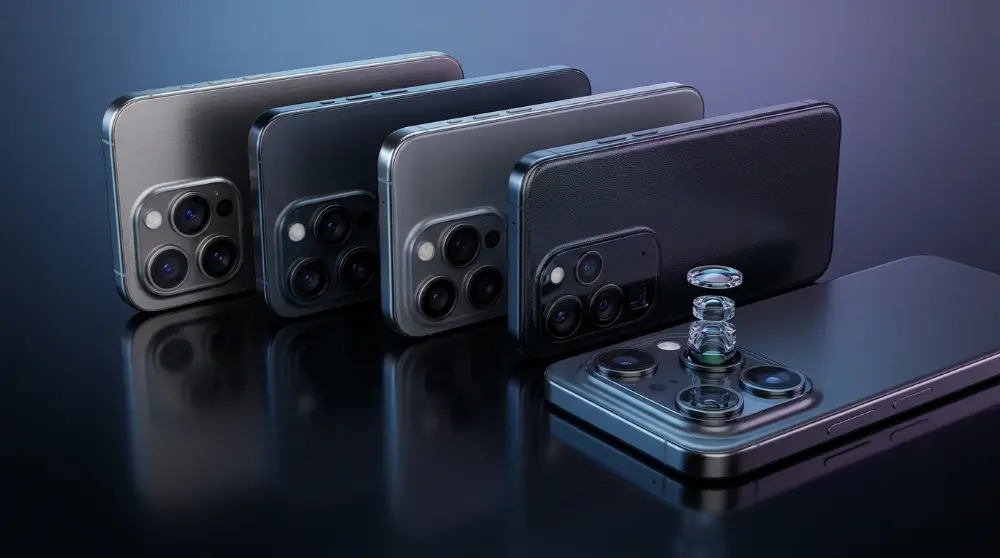
Finding the best phone camera can be harder than it looks. Almost every smartphone brand claims to offer amazing photo quality, sharp details, and powerful zoom. But not every phone takes great pictures in real-life situations.
Some phones are better at taking pictures at night. Others capture distant objects with impressive zoom. If you enjoy recording videos, you may also want a phone with good stabilization and clear sound.
So, which camera phone should you buy in 2026?
The answer depends on what you photograph and how much you’re ready to spend. The Apple iPhone 18 Pro, Samsung Galaxy S26 Ultra, Google Pixel 11 Pro XL, OPPO Find X9 Ultra, and Xiaomi 17 Ultra are five interesting options to consider.
In this guide, we’ll explore their camera features, strengths, and possible limitations. We’ll also explain what makes a smartphone camera good, how to compare different models, and what to check before buying.
Let’s start with the top camera phones worth considering.
1. Best Phone Camera in 2026: Top 5 Picks
There isn’t one perfect camera phone for everyone. A content creator may need excellent video recording, while a wildlife photographer may care more about long-distance zoom.
Here are five flagship phones that target different photography needs.

1.1 Apple iPhone 18 Pro: Best for Everyday Photography and Video
The Apple iPhone 18 Pro is a strong choice for people who want a camera that works well in different situations. You can use it for family pictures, portraits, travel photos, and professional-looking videos.
One of its main features is the 48MP Fusion main camera with a variable aperture. This allows the camera to adjust how much light enters the lens. It can also help keep more of a group in focus when taking pictures.
Its camera system includes:
- 48MP main camera with variable aperture
- 48MP ultra-wide camera
- 48MP telephoto camera
- Up to 8x optical-quality zoom
- Advanced video recording features
The phone also offers useful tools for people who create content for YouTube, Instagram, and TikTok.
Who should buy it?
The iPhone 18 Pro is worth considering if you:
- Take lots of everyday pictures.
- Record videos for social media.
- Enjoy taking portraits and travel photos.
- Want useful camera controls without complicated settings.
However, it’s a premium phone, so its price may not suit everyone. If you mainly need long-distance zoom, another Android flagship may be a better choice.
1.2 OPPO Find X9 Ultra: Best for Versatile Camera Hardware
The OPPO Find X9 Ultra is an interesting option for people who want several powerful cameras in one phone. Its camera system was developed with Hasselblad, giving photography fans more options for different shooting situations.
It features a 200MP main camera, a 50MP ultra-wide camera, a 200MP 3x telephoto camera, and a 50MP 10x optical telephoto camera.
This setup is useful when you want to capture wide landscapes, detailed portraits, or distant subjects without changing devices.
Other camera features include:
- Hasselblad color styles
- Optical image stabilization
- Autofocus on the rear cameras
- 8K video recording
- 4K video recording at up to 120fps
Who should buy it?
Consider this phone if you enjoy travel photography, portraits, wildlife pictures, and experimenting with different zoom levels.
Its large camera setup may be more than a casual user needs. Also, check local availability and warranty support before purchasing.
1.3 Samsung Galaxy S26 Ultra: Best for Long-Distance Zoom Photography
If you love taking pictures of distant objects, the Samsung Galaxy S26 Ultra deserves a place on your list. Its camera system offers several useful lenses, including a high-resolution main camera and a periscope telephoto camera.
The 200MP main camera captures detailed pictures, while the telephoto system helps you photograph subjects that are far away.
One of its most talked-about features is up to 100x digital zoom. This can help you capture distant objects, although image quality usually drops at very high zoom levels.
Here are its key camera features:
- 200MP main camera
- 50MP ultra-wide camera
- 50MP 5x periscope telephoto camera
- Up to 100x digital zoom
- Advanced night photography features
- AI-powered photo editing tools
Why Is Samsung Galaxy S26 Ultra Good for Zoom?
Imagine you’re watching a football match from the stands. You want to take a picture of a player on the other side of the field.
A normal phone camera may not bring that player close enough. The Galaxy S26 Ultra gives you more zoom options, making it easier to capture distant subjects.
However, remember that 100x zoom is digital zoom, not true optical zoom. For clearer pictures, it’s usually better to stay within the phone’s optical zoom range.
Who should buy it?
This phone is worth considering if you:
- Photograph wildlife and birds.
- Take pictures at sports events.
- Enjoy photographing distant buildings.
- Want different zoom options in one device.
- Like using AI editing tools.
Its large size and premium price may not suit everyone. But if zoom photography is your main goal, it’s a strong option to explore.
1.4 Google Pixel 11 Pro XL: Best for Night Photography
The Google Pixel 11 Pro XL is a good option for people who want beautiful pictures without spending too much time adjusting camera settings.
Google focuses heavily on photo processing. This means the phone uses software to improve details, colors, brightness, and other parts of an image.
Its camera system includes:
- 50MP main camera
- 48MP ultra-wide camera
- 48MP telephoto camera
- 5x optical zoom
- Pro Zoom up to 120x
- Night Sight photography
- High-resolution portrait mode
One feature worth mentioning is Night Sight. It helps capture brighter and clearer pictures in low-light conditions. This can be useful when taking photos at night, indoors, or in places with limited lighting.
The phone also offers smart photo editing tools. You can use these features to improve pictures, remove unwanted objects, and make small changes without needing a separate editing app.
What Makes Google Pixel Different?
Imagine you’re taking a picture of your friends at a restaurant. The lighting isn’t very good, and you don’t want to spend several minutes changing camera settings.
The Pixel camera is designed to make this process easier. Its software helps balance light, colors, and details to produce an attractive image.
Who should buy it?
The Pixel 11 Pro XL is worth considering if you:
- Take lots of night photos.
- Enjoy portraits and everyday photography.
- Prefer natural-looking image processing.
- Want useful AI photo editing tools.
- Like taking pictures without manual adjustments.
Its large display may also appeal to people who enjoy editing and viewing photos on their phones.
1.5 Xiaomi 17 Ultra: Best for Photography Enthusiasts
The Xiaomi 17 Ultra is another strong option for people who take mobile photography seriously. Its camera system focuses on image detail, zoom, and creative color styles.
One of its main highlights is the large 1-inch main camera sensor. A larger sensor can collect more light, which may help with image quality, especially in challenging lighting conditions.
The phone also features Leica color profiles. These give users different ways to style their pictures, including natural-looking and more vibrant colors.
Other key camera features include:
- 1-inch main camera sensor
- High-resolution periscope telephoto camera
- Leica Authentic and Leica Vibrant color modes
- Advanced portrait photography
- Manual camera controls
Why Choose Xiaomi 17 Ultra?
If you enjoy experimenting with photography, this phone offers more creative options than a basic smartphone camera.
You can try different color styles, adjust camera settings, capture detailed subjects, and explore zoom photography.
Who should buy it?
- Mobile photography enthusiasts
- People who enjoy Leica-style colors
- Travel and landscape photographers
- Users who like manual camera settings
However, its advanced camera features may feel unnecessary if you only take occasional pictures. Its price and availability can also vary by country.
2. What Makes a Phone Camera Good?
Before buying a camera phone, it’s important to understand what makes one camera better than another. A phone may have a 200MP camera, but that doesn’t automatically mean it will take better pictures than a phone with a 50MP camera.
Several things work together to create a good photo. Let’s look at the most important ones.
2.1 Megapixels: Do More Megapixels Mean Better Photos?
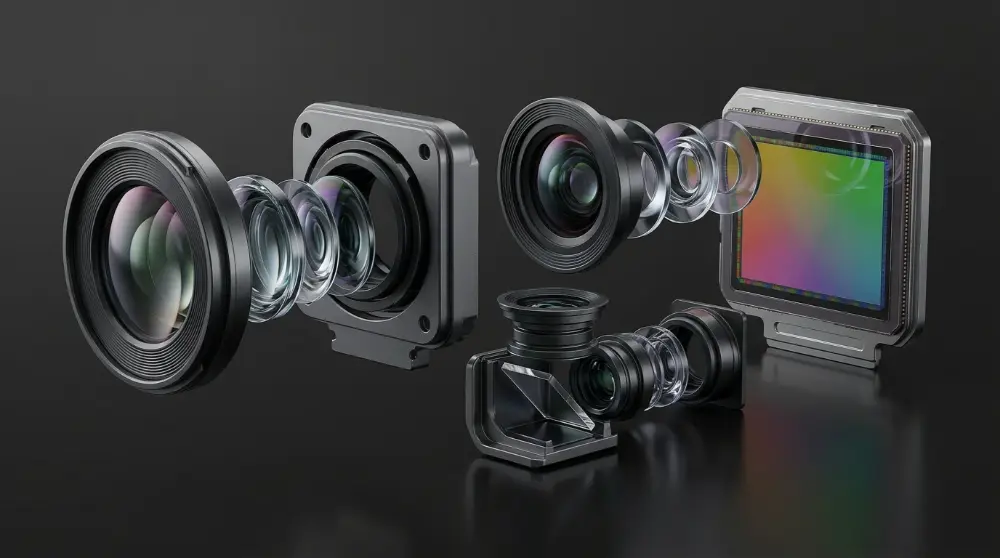
Megapixels describe the number of pixels in a photo. A higher megapixel count can help capture more detail, especially when you want to crop or enlarge an image.
For example:
- A 12MP camera can produce detailed photos for everyday use.
- A 50MP camera can capture more image information.
- A 200MP camera can offer more room for cropping in suitable conditions.
But megapixels aren’t everything. Sensor size, lens quality, lighting, and image processing also affect the final result.
Buying tip: Don’t choose a smartphone just because its camera has the highest megapixel count. Compare actual photo samples before making your decision.
2.2 Camera Sensor Size: Why Does It Matter?
The camera sensor collects light and turns it into an image. In general, a larger sensor can collect more light than a smaller sensor.
This can help produce:
- Clearer photos in low light.
- Less visible image noise.
- Better detail in difficult lighting.
- More natural background blur.
For example, the Xiaomi 17 Ultra features a 1-inch main camera sensor. This is one reason photography fans may find its camera hardware interesting.
However, a large sensor doesn’t guarantee better photos in every situation. The lens and camera software also play an important role.
2.3 Optical Zoom vs Digital Zoom
Zoom is another important feature to check when buying a camera phone. It helps you capture subjects that are far away without moving closer.
There are two main types of zoom.
Optical zoom: This uses camera lenses to bring distant objects closer while keeping more image detail.
Digital zoom: This uses software to enlarge or crop an image. It can be useful, but image quality may decrease as you zoom further.
For example, Samsung Galaxy S26 Ultra offers up to 100x digital zoom. However, its 5x optical telephoto camera is a more useful starting point for capturing distant subjects with good detail.
If you regularly photograph wildlife, sports, or concerts, pay attention to optical zoom rather than just the maximum zoom number.
2.4 Optical Image Stabilization (OIS)
Have you ever taken a picture and found it blurry because your hand moved slightly?
Optical Image Stabilization, also called OIS, helps reduce blur caused by small camera movements.
It can be especially helpful when:
- Taking pictures in low light.
- Using a telephoto camera.
- Recording videos while holding your phone.
- Taking pictures without a tripod.
Remember, OIS can’t completely freeze a moving person or animal. Good autofocus and fast shutter speeds are also important.
2.5 Night Mode and Low-Light Photography
A good phone camera should also perform well when there’s not much light.
Night mode helps brighten dark scenes and bring out details that may be difficult to see. Phones such as Google Pixel models are known for offering dedicated Night Sight features.
When comparing night photography, check whether the phone can:
- Capture clear pictures in dark places.
- Keep bright lights from looking too strong.
- Show natural skin tones.
- Reduce unwanted noise.
- Capture people without too much motion blur.
Don’t judge night mode only by how bright a photo looks. Natural colors and clear details matter too.
3. Best Phone Camera Features for Photos and Videos
A smartphone camera isn’t just about taking pictures. It should also help you record smooth videos, capture moving subjects, and create content that looks good on social media.
Before choosing your next phone, pay attention to these features.
3.1 Autofocus: Capture Clear Pictures Every Time
Autofocus helps your phone camera focus on a subject automatically. It’s especially useful when taking pictures of children, pets, cars, or moving objects.
A good autofocus system should:
- Focus quickly on faces and objects.
- Track moving subjects.
- Keep pictures sharp.
- Switch focus smoothly when recording videos.
For example, imagine taking a picture of your dog running in a park. A slow camera may miss the moment or produce a blurry picture. Fast autofocus gives you a better chance of capturing it clearly.
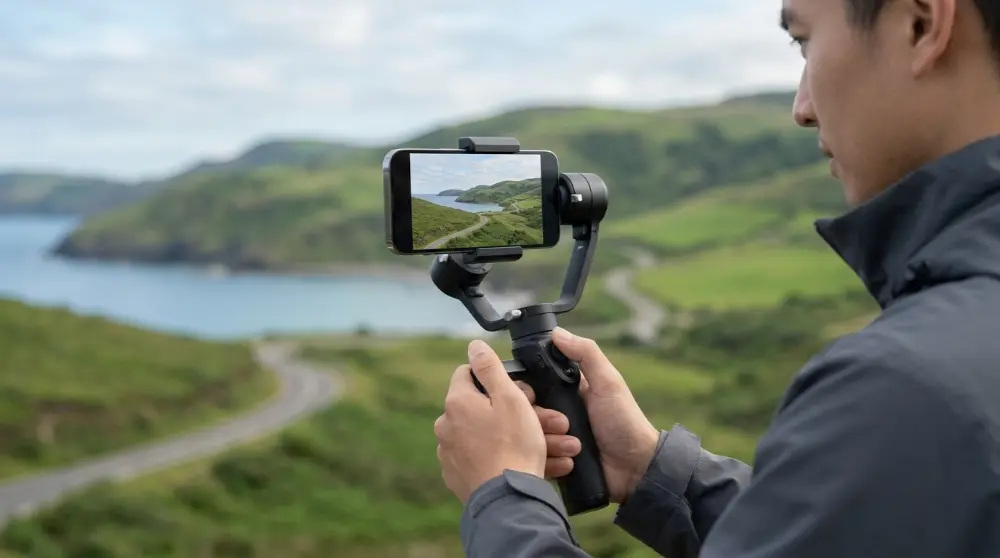
3.2 Video Stabilization: Record Smooth Videos
Nobody likes watching shaky videos. Video stabilization helps reduce unwanted movement when recording handheld footage.
There are two common types:
- Optical Image Stabilization (OIS): Uses physical camera movement to reduce the effect of hand shaking.
- Electronic Image Stabilization (EIS): Uses software to make video footage look smoother.
Some smartphones use both systems together.
If you record walking videos, travel clips, or social media content, check how well stabilization works in real-world recordings.
3.3 4K and 8K Video Recording
Video resolution affects how much detail a recording can show.
Here are two common options:
- 4K video: Offers sharp footage and is suitable for YouTube, travel videos, and social media content.
- 8K video: Captures more detail and provides extra room for cropping, but uses more storage.
You don’t always need an 8K camera. For most people, good-quality 4K recording with reliable stabilization is more useful.
Also check the available frame rates, such as 30fps, 60fps, and 120fps. Higher frame rates can help create smooth slow-motion videos.
3.4 HDR Photography: Capture More Details
Have you ever taken a picture where the sky looks completely white while the ground looks too dark?
HDR stands for High Dynamic Range. It helps balance bright and dark areas in a photo.
This feature is useful when:
- Taking pictures outside on sunny days.
- Photographing buildings against a bright sky.
- Capturing indoor scenes near windows.
- Taking pictures with strong light and shadows.
A good HDR system can help preserve details in both bright and dark areas.
3.5 Portrait Mode: Take Better People Photos
Portrait mode helps make a person stand out by keeping the subject sharp and blurring the background.
It’s useful for:
- Family portraits.
- Profile pictures.
- Social media photos.
- Food and product photography.
However, check how naturally the phone separates the subject from the background. Poor portrait processing can blur parts of a person’s hair, ears, or clothing.
3.6 RAW Photography: More Control Over Editing
RAW is a photo format that stores more image information for editing than a typical compressed JPEG.
It can help you adjust:
- Brightness and exposure.
- White balance.
- Highlights and shadows.
- Colors and contrast.
RAW is especially useful for people who edit pictures using professional photo editing software.
But there’s a small downside. RAW files take up more storage and usually need editing before they’re ready to share.
Buying tip: If you enjoy editing your pictures, check whether your preferred phone supports RAW photography.
4. How to Choose the Best Phone Camera for Your Needs
Buying a smartphone with a powerful camera can be exciting. But before spending your money, think about what you actually need.
A phone with the best zoom may not be the best choice for video creators. Similarly, a phone with excellent night photography may not offer the zoom features you want.
Here are some simple ways to choose the right camera phone.

4.1 Best Camera Phone for Everyday Photography
If you mostly take pictures of family, friends, food, pets, and everyday moments, you don’t need every advanced camera feature.
Look for a smartphone with:
- A good main camera sensor.
- Fast and reliable autofocus.
- Natural-looking colors.
- Good portrait photography.
- Reliable HDR performance.
The iPhone 18 Pro and Google Pixel 11 Pro XL are worth considering in this category.
Your main goal should be getting clear, attractive pictures without changing camera settings every time.
4.2 Best Camera Phone for Night Photography
Do you enjoy taking pictures at night? Maybe you photograph city lights, restaurants, streets, or evening events.
In that case, choose a phone with strong low-light performance.
Look for:
- A large main camera sensor.
- Optical image stabilization.
- A good night mode.
- Reliable image processing.
- Natural skin tones in low light.
The Google Pixel 11 Pro XL and Xiaomi 17 Ultra are interesting options for people who care about night photography.
One important tip: Don’t depend only on night mode. Check real sample pictures to see how well the phone handles dark scenes.
4.3 Best Camera Phone for Zoom Photography
If you often photograph birds, wildlife, sports, or distant buildings, zoom should be one of your main priorities.
Consider these features:
- Optical telephoto zoom.
- Periscope camera technology.
- Optical image stabilization.
- Fast autofocus.
- Good image quality at different zoom levels.
The Samsung Galaxy S26 Ultra and OPPO Find X9 Ultra are worth comparing for this type of photography.
Remember, a bigger zoom number doesn’t always mean better quality. Optical zoom and real photo samples are more useful when comparing phones.
4.4 Best Camera Phone for YouTube and Social Media
If you create videos for YouTube, TikTok, Instagram, or Facebook, don’t focus only on photo quality.
Your phone should also offer:
- High-quality 4K video recording.
- Good video stabilization.
- Clear microphone audio.
- Reliable autofocus.
- Good front camera quality.
- Enough storage for large video files.
The iPhone 18 Pro is worth considering for creators who want a balanced photo and video experience.
Also, check how the phone performs when recording for long periods. Battery life and heat control matter when making longer videos.
4.5 Best Camera Phone for Portrait Photography
Portrait photography is about capturing people with clear faces, natural skin tones, and attractive background blur.
A good portrait camera should offer:
- Accurate skin colors.
- Reliable face detection.
- Natural background separation.
- Good detail in hair and clothing.
- Useful focal length options.
Both the iPhone 18 Pro and Xiaomi 17 Ultra are worth exploring if portraits are your main interest.
Quick tip: Before buying, compare portrait photos taken in daylight and indoors. This will give you a better idea of how the camera handles different lighting conditions.
5. Camera Phone Comparison: Which One Offers What?
Choosing the best phone camera becomes easier when you compare the main features of each phone. Every model has its own strengths. Some focus on video quality, while others offer better zoom or more control over photos.
Here’s a quick comparison of the five camera phones covered in this guide.

| Phone | Main Camera Strength | Best For |
|---|---|---|
| Apple iPhone 18 Pro | Variable aperture and advanced video | Everyday photos and videos |
| OPPO Find X9 Ultra | Dual telephoto cameras | Flexible zoom photography |
| Samsung Galaxy S26 Ultra | 5x optical zoom and 200MP main camera | Long-distance photography |
| Google Pixel 11 Pro XL | Night Sight and smart image processing | Night and everyday photos |
| Xiaomi 17 Ultra | Large main sensor and Leica color profiles | Photography enthusiasts |
Note: Camera specifications and features can vary by region or software version. Check the exact model available in your market before buying.
5.1 Which Phone Is Best for Everyday Use?
If you take pictures of family, friends, food, pets, and daily activities, you don’t need every advanced camera feature.
You need a phone that takes good pictures without making you change many settings.
The iPhone 18 Pro is a strong option to consider because of its flexible camera system and video features. The Pixel 11 Pro XL is another choice if you like Google’s photo processing and easy editing tools.
For everyday photography, look at these features:
- Fast and reliable autofocus
- Natural skin tones
- Good indoor photo quality
- Clear pictures in bright sunlight
- A useful portrait mode
- Consistent results from the main camera
A phone that performs well in different situations can be more useful than one with a very high megapixel count.
5.2 Which Phone Is Best for Zoom?
Zoom is important when you take pictures of distant objects. For example, you may want to photograph a building, bird, stage, or sports event.
The Samsung Galaxy S26 Ultra offers a 5x periscope telephoto camera. The OPPO Find X9 Ultra also stands out because it includes two telephoto cameras, including a 10x optical zoom option.
This gives you more flexibility when photographing subjects at different distances.
Remember that digital zoom and optical zoom aren’t the same. A phone may advertise a very high zoom number, but that doesn’t mean every zoomed picture will look sharp.
If zoom is your main priority, compare the optical zoom levels first.
5.3 Which Phone Is Best for Video Creators?
People who create YouTube videos, Instagram Reels, TikToks, or travel videos should pay attention to more than photo quality.
The iPhone 18 Pro is worth considering because of its video-focused features. However, the best choice also depends on your recording style.
Before buying, check:
- Maximum video resolution
- Available frame rates
- Video stabilization
- Front camera quality
- Microphone performance
- Storage space
- Battery life during recording
Don’t choose a phone only because it supports 8K video. Good 4K video with stable footage and clear sound may be more useful for everyday content creation.
5.4 Which Phone Should Photography Lovers Choose?
If you enjoy adjusting camera settings and editing your pictures, look at the Xiaomi 17 Ultra and OPPO Find X9 Ultra.
The Xiaomi 17 Ultra offers a large main camera sensor and Leica color profiles. These features may appeal to people who enjoy experimenting with image styles.
The OPPO Find X9 Ultra offers a versatile camera setup with multiple zoom options. This can be useful when you photograph landscapes, buildings, portraits, and distant subjects.
Still, camera hardware isn’t everything. The camera app, manual controls, RAW support, and image processing also affect the final result.
6. How Much Should You Spend on a Camera Phone?
You don’t always need the most expensive smartphone to get good pictures. A premium phone may offer more camera features, but that doesn’t mean you need all of them.
Before buying a new phone, think about your budget and how often you use its camera.
6.1 Is an Expensive Camera Phone Worth It?
Premium camera phones often include better zoom systems, larger sensors, advanced video features, and more powerful image processing.
These features can make a real difference if you take pictures every day or create content for work.
For example, a phone with multiple telephoto cameras may help you capture distant subjects more clearly. A phone with advanced video tools may also save time when recording content.
But if you mainly take pictures of friends, food, and everyday moments, you may not need to spend so much.
Think about the features you’ll actually use. There’s no point paying extra for a feature that will sit unused.
6.2 What to Check Before Buying a Budget Phone
If your budget is limited, focus on the camera features that matter most.
Here are some things worth checking:
- Main camera quality: Look for clear pictures with natural colors.
- Autofocus: The camera should focus quickly and accurately.
- Low-light performance: Check how it handles indoor photos and evening scenes.
- Video recording: Make sure it supports the resolution and frame rate you need.
- Image stabilization: This helps reduce blur caused by hand movement.
- Camera app: Simple controls make taking pictures easier.
Don’t judge a phone by its megapixels alone. A 50MP camera with good processing can sometimes produce better results than a 200MP camera with weaker image processing.
6.3 Should You Buy an Older Flagship Phone?
An older flagship can be a smart choice if you want good camera features at a lower price.
Some older premium phones still offer strong main cameras, optical zoom, image stabilization, and useful video tools.
However, check a few things before purchasing:
- Software updates: Make sure the phone will continue receiving security updates.
- Battery health: A weak battery can make daily use frustrating.
- Camera condition: Test every lens and check for scratches or focus problems.
- Storage: Photos and videos can take up a lot of space.
- Warranty: Check whether the seller offers a proper warranty.
- Network support: Make sure the phone works with your local mobile network.
If you’re buying a used phone, test its cameras before paying. Take pictures with the main, ultra-wide, and telephoto cameras if available.
If you’re buying a used iPhone, also check its charging port for dust and pocket lint. Read our guide on how to clean an iPhone charging port safely to learn how to remove dirt without damaging your device.
6.4 Don’t Forget About Storage and Battery Life
Camera quality isn’t the only thing that matters. Storage and battery life also affect your experience.
High-resolution photos and 4K videos can use a lot of storage. If you record videos often, a phone with limited storage may become frustrating.
Battery life matters too. Recording video, using the camera flash, and editing pictures can drain the battery quickly.
For regular photography, choose a phone with enough storage for your files and a battery that can handle your daily use.
The best value is the phone that gives you the camera features you need without stretching your budget unnecessarily.
7. How to Test a Phone Camera Before Buying
Reading camera specifications is helpful, but real photo quality matters more. Two phones with similar camera hardware can produce very different results.
If possible, test a phone in person before buying it. This is especially important if you’re spending a lot of money.
Here are some simple tests you can try.

7.1 Take Pictures in Different Lighting
Start by taking pictures in bright daylight. Check whether the image looks clear and whether the colors appear natural.
Next, move indoors or take a picture in a darker place. Look at the details, brightness, and noise in the image.
A good camera should handle different lighting conditions without making every picture look too bright or too dark.
7.2 Test Every Camera Lens
Most premium smartphones have more than one rear camera. These may include a main camera, ultra-wide camera, and telephoto camera.
Test each one separately.
- Use the main camera for everyday photos.
- Use the ultra-wide camera for landscapes and group pictures.
- Use the telephoto camera for distant objects.
- Try different zoom levels to check image quality.
Look for blurry edges, strange colors, and sudden changes in brightness when switching between lenses.
7.3 Check Autofocus and Portrait Mode
Take a picture of a person, then focus on a nearby object. See how quickly the camera changes focus.
You should also try portrait mode. Check whether the phone separates the subject from the background correctly.
Pay attention to small details such as hair, glasses, and clothing. Poor background separation can make portrait pictures look unnatural.
7.4 Record a Short Video
Take a short video while standing still. Then record another one while walking slowly.
Check whether the footage looks stable and whether the camera keeps the subject in focus.
Also listen to the recorded sound. Clear audio is important if you plan to use your phone for social media or YouTube videos.
These simple tests can help you understand how a camera performs beyond its advertised specifications.
8. Common Mistakes to Avoid When Buying a Camera Phone
Buying a camera phone can be confusing, especially when brands advertise large megapixel numbers and impressive zoom levels.
Here are some common mistakes you should avoid.
8.1 Choosing a Phone Only by Megapixels
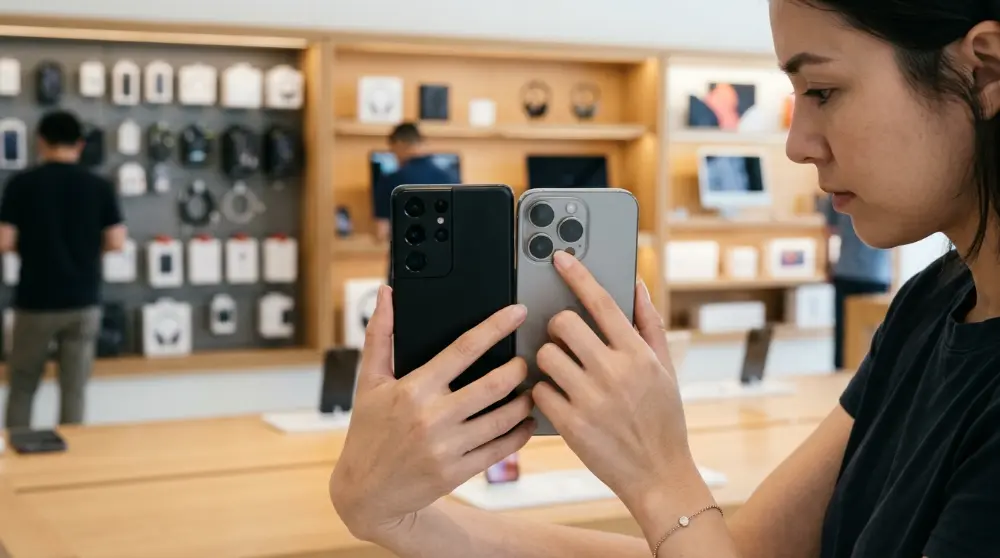
A 200MP camera may sound better than a 50MP camera, but megapixels don’t tell the whole story.
Sensor size, lens quality, autofocus, and image processing also affect the final picture.
Instead of looking at one number, compare the complete camera system.
8.2 Ignoring Low-Light Performance
A phone may take beautiful pictures in bright sunlight but struggle indoors or at night.
If you often take pictures at restaurants, family events, or during evening trips, low-light performance should be one of your priorities.
Look for optical image stabilization, a capable main sensor, and a useful night mode.
8.3 Believing Every Zoom Number
A phone advertising 100x zoom doesn’t mean it can capture clear pictures at that distance.
High digital zoom levels often reduce detail and make images look blurry.
Check the optical zoom range and compare real sample photos before making a decision.
8.4 Forgetting About Video Quality
Some people focus only on photo quality and forget to check video features.
If you record Reels, Shorts, or YouTube videos, pay attention to stabilization, autofocus, frame rates, and microphone quality.
A good camera phone should match the type of content you create.
8.5 Buying Without Checking Local Availability
Some smartphones are sold in selected markets only. Their prices, software features, and warranty coverage can also vary by country.
Before buying, check whether the phone is officially available in your region.
For buyers in Pakistan, it’s worth checking PTA approval, local warranty, and network compatibility. An imported phone may have a different price or warranty situation from an officially sold model.
Frequently Asked Questions About the Best Phone Camera
1. Which phone has the best camera in 2026?
There isn’t one perfect camera phone for everyone. The iPhone 18 Pro is worth considering for everyday photography and video. The Samsung Galaxy S26 Ultra offers strong zoom features, while the Google Pixel 11 Pro XL focuses on computational photography and night images. Your choice depends on your needs and budget.
2. Which phone is best for photography?
The Xiaomi 17 Ultra and OPPO Find X9 Ultra are interesting options for photography lovers. Both offer advanced camera hardware and flexible shooting options. The best choice depends on the type of pictures you take.
3. Which phone is best for night photography?
The Google Pixel 11 Pro XL is a strong option to consider because of its Night Sight features and image processing. The Xiaomi 17 Ultra may also appeal to users who prefer a large main sensor. Compare sample photos in dark environments before buying.
4. Is a 200MP phone camera better than a 50MP camera?
Not always. A 200MP camera can capture a high level of detail, but the final image also depends on sensor size, lens quality, lighting, and image processing. A well-designed 50MP camera can produce excellent pictures too.
5. Which phone is best for video recording?
The iPhone 18 Pro is worth considering if video recording is your main priority. However, compare video stabilization, supported resolutions, frame rates, autofocus, and audio quality before choosing a phone.
6. Is optical zoom better than digital zoom?
Yes, optical zoom generally provides better detail because it uses the camera lens to magnify the subject. Digital zoom enlarges or crops the image, which can reduce quality at higher levels.
7. How many megapixels are enough for a good phone camera?
A 50MP camera is more than enough for many everyday photography needs. However, megapixels aren’t the only factor that matters. Sensor size, image processing, autofocus, and lens quality also play important roles.
8. Should I buy an iPhone or an Android phone for photography?
Both can take excellent pictures. iPhones are popular for their video features and consistent camera experience. Android phones offer a wide range of options, including powerful zoom systems and advanced photography controls. Choose based on your preferred features and budget.
9. Can a phone camera replace a DSLR or mirrorless camera?
A modern smartphone can handle many everyday photography tasks. It’s also convenient for travel and social media content. However, dedicated cameras still offer more control, interchangeable lenses, and greater flexibility for professional photography.
10. What should I check before buying a camera phone?
Check the main camera, ultra-wide lens, optical zoom, autofocus, low-light performance, video stabilization, storage, and battery life. Also compare real photo samples and check local warranty coverage.
Final Verdict: Which Is the Best Phone Camera in 2026?
The best phone camera depends on what you want to do with it. Some people need a reliable camera for everyday pictures, while others want professional-looking videos, powerful zoom, or more control over photography.
Here’s a quick reminder of the five phones covered in this guide:
- Apple iPhone 18 Pro: A strong option for everyday photography and video creation.
- OPPO Find X9 Ultra: Worth considering for its versatile camera system and dual telephoto setup.
- Samsung Galaxy S26 Ultra: A good choice for people who want flexible zoom photography.
- Google Pixel 11 Pro XL: An interesting option for night photography and computational image processing.
- Xiaomi 17 Ultra: Worth considering if you enjoy advanced camera controls and photography features.
Before making your final decision, compare camera samples, check current prices, and make sure the phone is available with a suitable warranty in your region.
Don’t buy a phone just because it has the highest megapixel count or the biggest zoom number. Think about the pictures and videos you actually take.
In the end, the best phone camera is the one that helps you capture the moments you care about with the quality and ease you want.